HSE e-learning development
Data centres / worldwide
Scope
Our client – a global international data centre provider, wanted support for the development of an e-learning module in English, French and Japanese, suitable for use in their own learning management system (LMS).
The training course was required to explain the principles of risk management and how to control high risk activities in the workplace, and covered the following topics:
- Risk assessment process
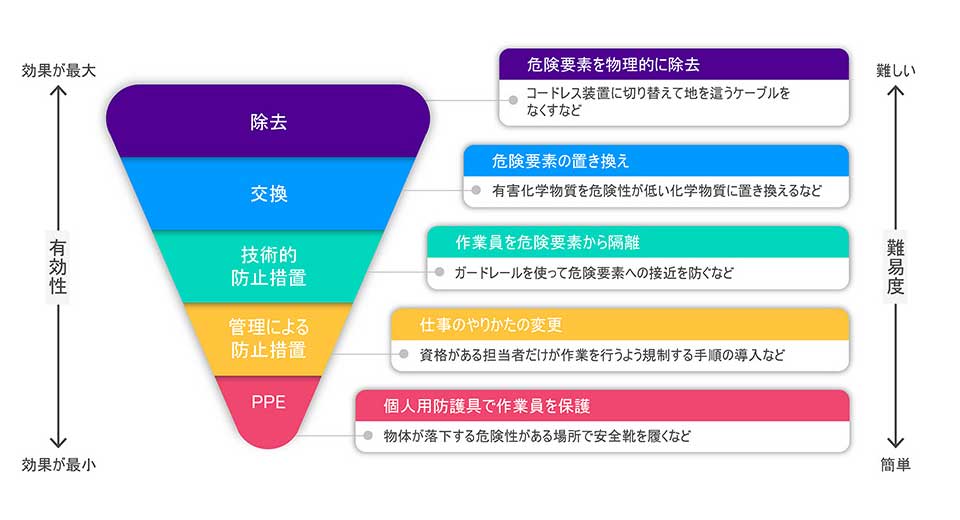
- Hierarchy of controls
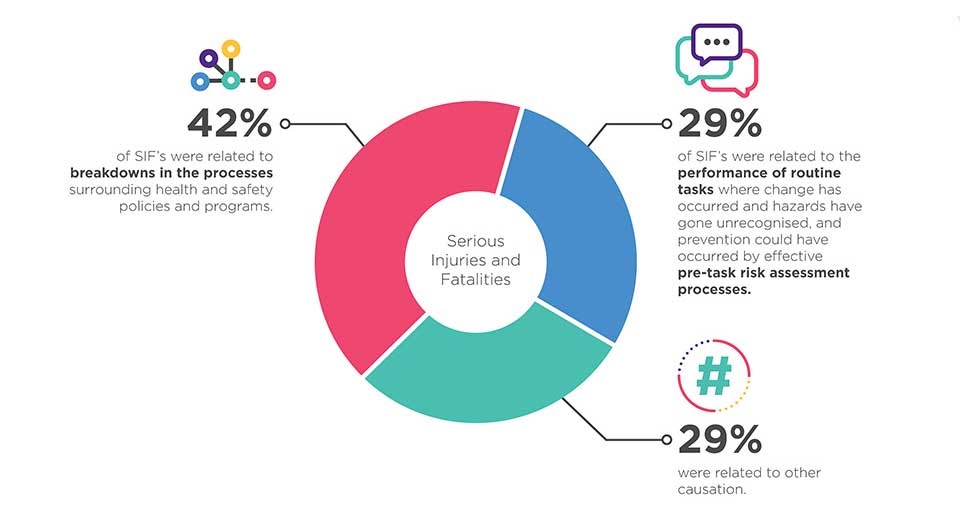
- Why we control high risk activities
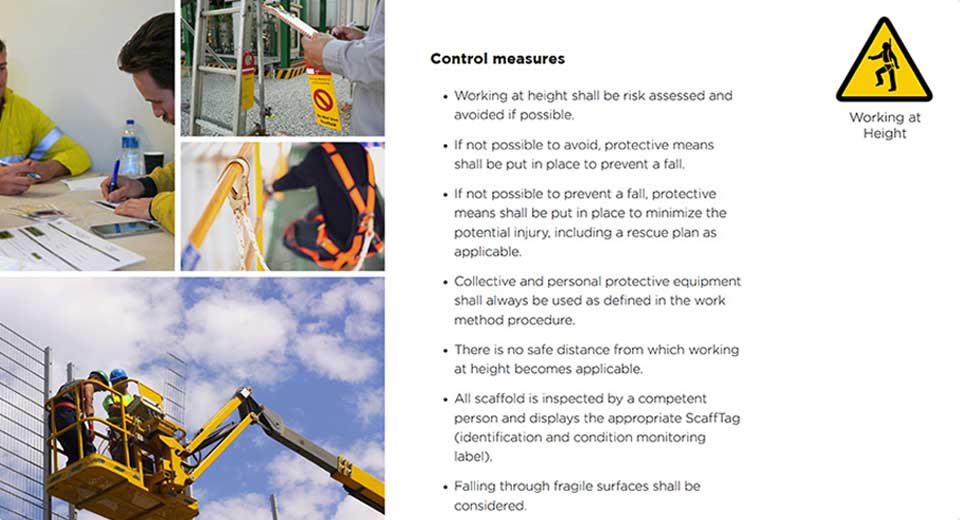
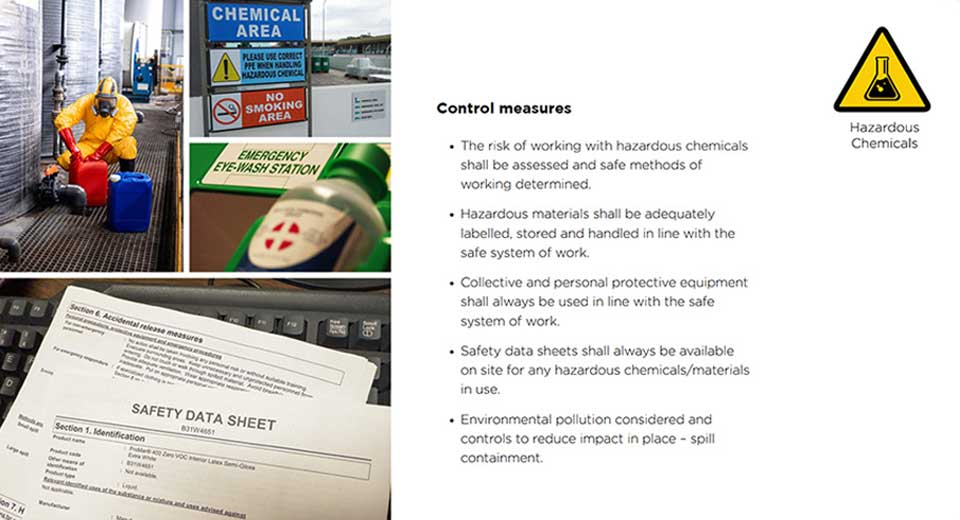
- High risk activities at our client’s sites
- Additional considerations
Approach
At the onset of the project, Telos Learn confirmed the requirements and learning objectives for the module. These were subsequently reviewed through our client management system documentation and the client’s own standards and policies, and developed the structure and content of the training module to meet the agreed learning objectives. Our project team then developed a tailored e-learning module in the Sharable Content Object Reference Model (SCORM) format.
Solution
The e-learning module included professional animations with voice over artists throughout. To enhance the effectiveness of the training we created multiple interactive sections to simplify the complex subject matter into a clear, simple to absorb and engaging course to keep the workplace safe.
Gamification was also introduced throughout the course with interactive elements for comprehension assessment.
The module was developed in English, then translated into French and Japanese. Voice-over was recorded professionally in all three languages and applied to all required audio-files.
Outcome
Delivered through our client’s own LMS, the modules enable them to track the learning status and performance for all participating trainees, as well as issue each trainee with a completion of training certificate.